When you are short, your outfit looks balanced when waist placement, hems, and visual lines work with your proportions. Choose clothes that define your shape and create a clean line from top to bottom, then adjust the fit so each piece ends in the right place on your frame.
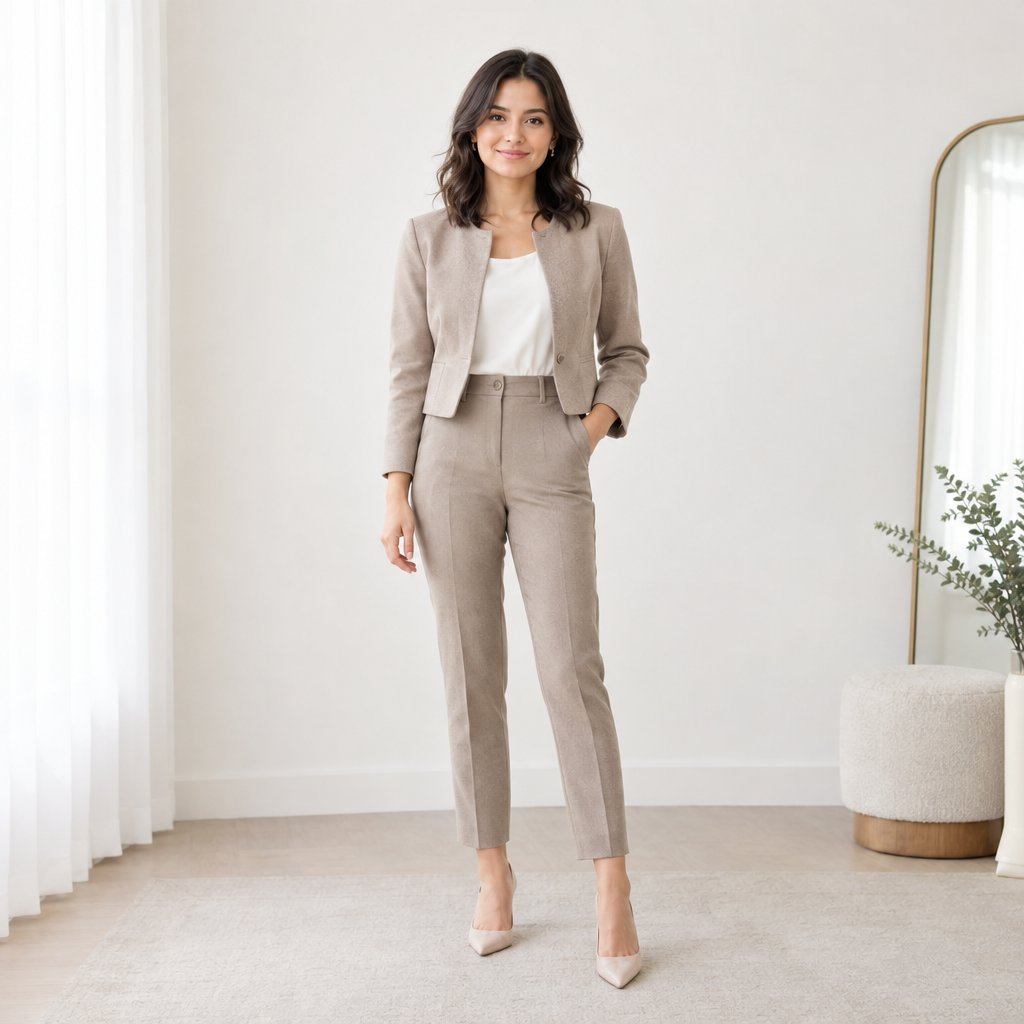
You do not need heels or a head-to-toe uniform to dress with confidence. Small fit changes, such as shortening a sleeve or moving a waistline, can make an outfit feel more intentional.
Key Takeaways
- Set waistlines and hems where they suit your proportions.
- Keep color and shape flowing through your outfit.
- Balance relaxed pieces with clean, defined lines.
Set the Waist and Leg Proportions
Your waistline and hems shape how long your legs appear, so choose placements that fit your torso and the shoes you wear. A tuck, a well-placed belt, or a small tailoring change can clarify the proportions of an outfit.
Choose High-Rise Bottoms to Lengthen the Leg Line
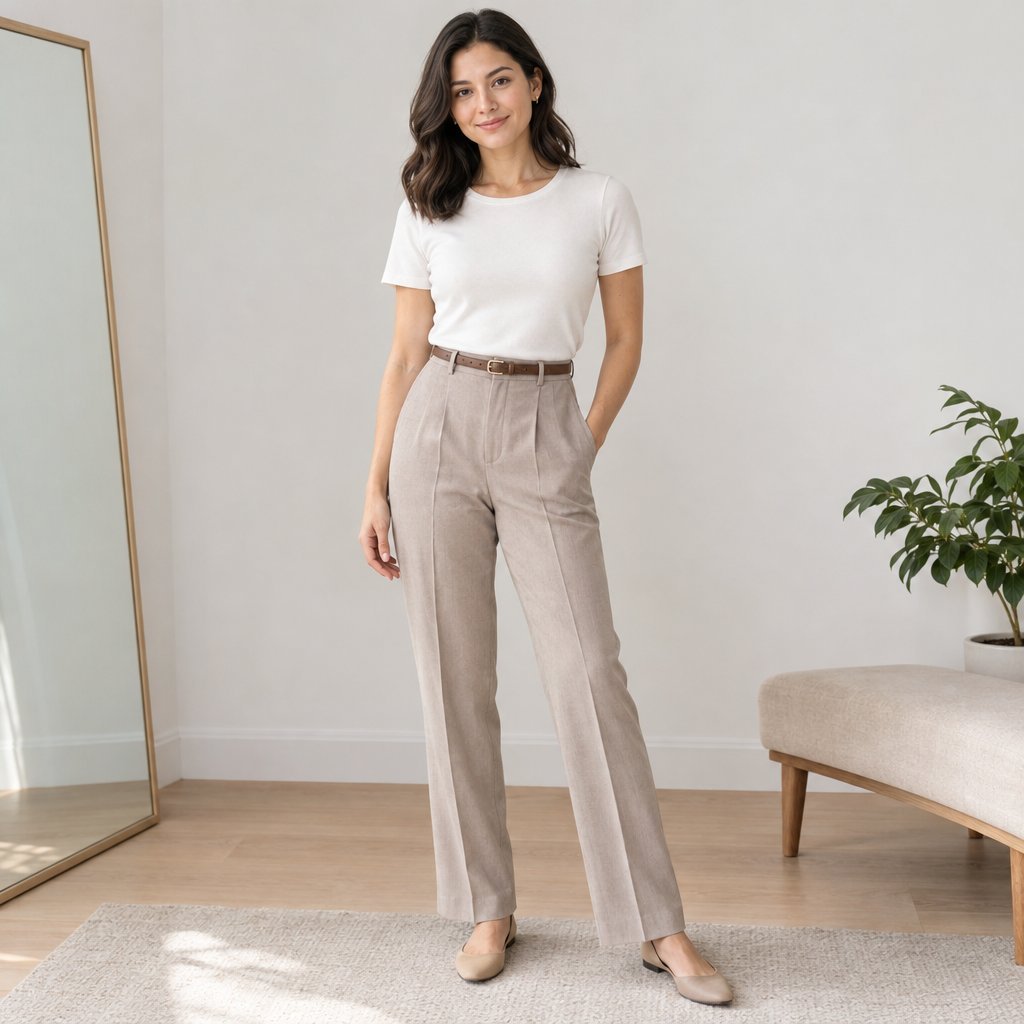
High-rise pants and skirts create a longer-looking leg line when the waistband sits near your natural waist. Tuck in your top or choose a cropped style that ends at the waistband to show where your legs begin.
Check the rise in a mirror while standing and sitting. If a high rise feels crowded against your ribs or shortens the space between your bust and waist, try a mid-rise cut; the most flattering position is the one that balances your torso and legs.
Define the Waist Without Over-Cinching
A visible waist helps your outfit look shaped and balanced. Tuck in a blouse, add a slim belt, or choose a jacket that finishes near your waist to mark that point without compressing your midsection.
For a softer look, use a half-tuck or a top with light shaping through the sides. A belt should sit smoothly and let you move comfortably, with no pulling or bunching in the fabric.
Tailor Hems, Sleeves, and Rise to Your Frame
Clothes fit more cleanly when sleeves, hems, and waist placement land where they should on your body. If trousers pool over your shoes or jacket sleeves cover your hands, have them shortened; small alterations can keep fabric from overwhelming your frame.
When trying on pants, check where the waistband sits and how the hem meets your shoes. Petite sizing can help with sleeve and rise placement, while a tailor can adjust a piece you already own.
Create an Unbroken Vertical Line
A continuous line through your outfit gives the eye a clear path from shoulder to shoe. Similar colors, streamlined details, and footwear that blends with your hem all help create that effect.
Use Tonal Dressing to Reduce Visual Breaks
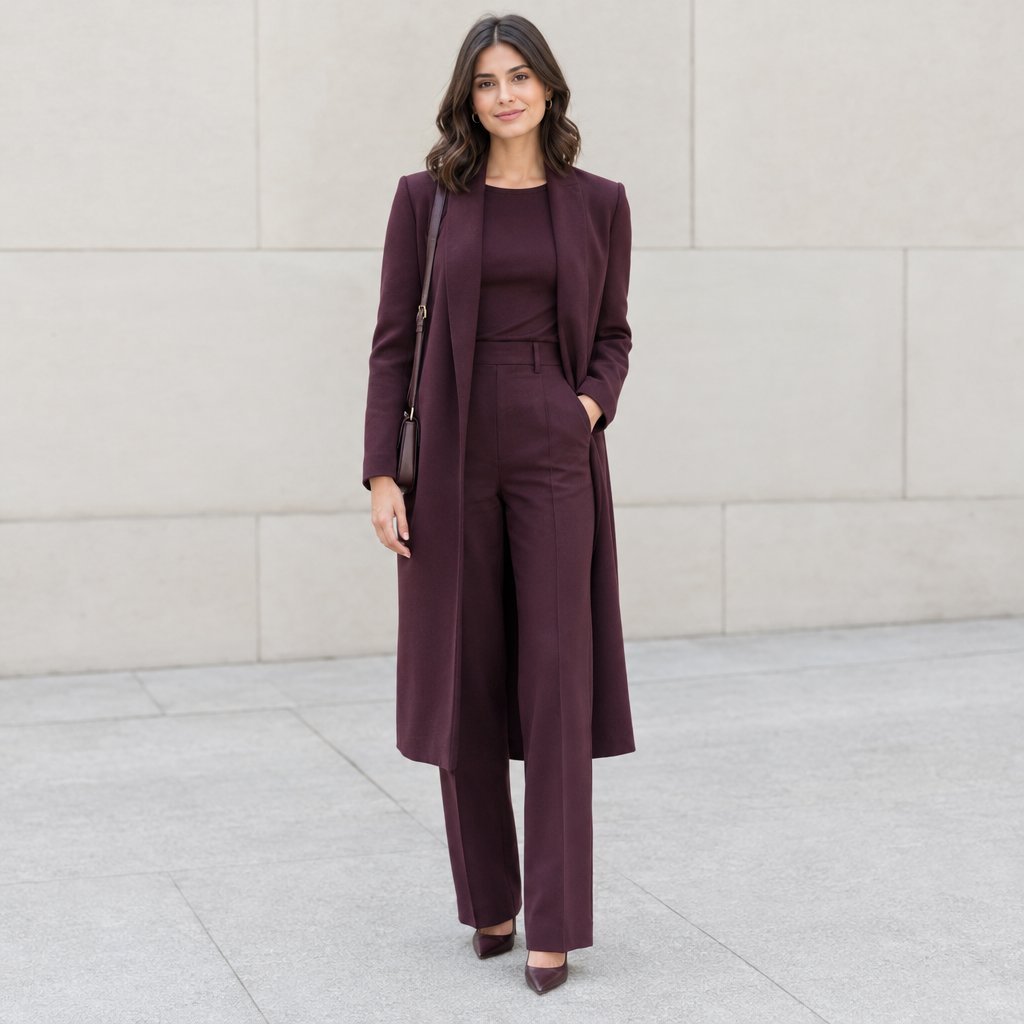
Wearing related shades on top and bottom creates a smooth visual transition. Lower color contrast between your top and bottom to create an unbroken vertical line; try navy with a softer blue or cream with tan.
You can keep the outfit interesting with changes in texture, such as a knit top with tailored pants. A matching jacket and trousers also create a column of color while leaving room for a lighter or darker layer.
Match Shoes to Your Trousers or Hemline
Shoes close in color to your pants extend the line of a trouser outfit. With a skirt or dress, choose shoes that blend with your skin tone or tights to keep the leg line visually continuous.
Pointed toes can add a sleek finish, while a low-profile shoe keeps the outfit light. The shoe should suit the length and width of your hem; a heavy style can draw attention away from a narrow or cropped leg opening.
Use Necklines and Details to Draw the Eye Up and Down
A V-neck or open collar creates a clear line through the upper body. Vertical seams, a long open jacket, or a row of buttons can carry that direction through the rest of your outfit.
Place details where you want attention to land. A necklace that follows the neckline or a jacket with a clean lapel keeps the eye moving, while crowded details across the torso can interrupt the outfit’s flow.
Choose Silhouettes That Suit Your Scale
Your clothes look balanced when their length and visual weight suit your frame. Choose hemlines that show the shape of your legs, then keep prints and accessories in scale with the outfit.
Find Dress and Skirt Lengths That Work With Your Legs
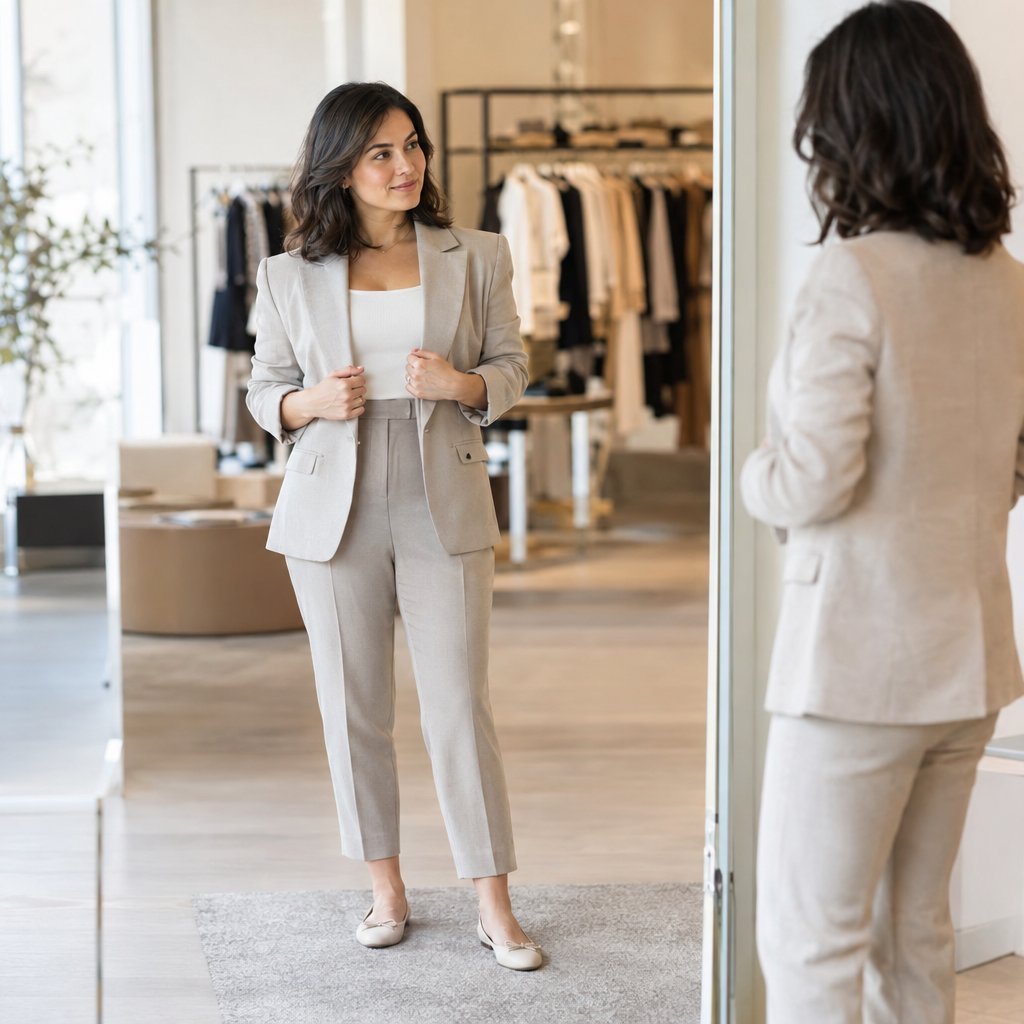
A hem that falls above or below the widest part of your calf can create a cleaner line. Try the dress or skirt with the shoes you plan to wear, then check the hem from the front and side in a full-length mirror.
Shorter hems can show more leg, while longer styles work when the shape stays streamlined and the fabric does not bunch at your shoes. If a midi hem feels awkward, a small adjustment of an inch or two can change where it lands on your leg.
Keep Prints and Accessories in Proportion
Prints and accessories look balanced when their scale feels in step with your outfit. Smaller patterns can give a compact frame a clear shape, while a bold print works well when you keep the rest of the look simple.
Choose a bag that sits comfortably against your body and does not cover most of your outfit. For jewelry, one focused piece near your face or neckline can add interest without crowding your proportions.
Balance Volume Without Hiding Your Shape
You can wear relaxed silhouettes by giving the outfit a clear point of shape. Keep one area defined, then use fabric and layering to create length through the rest of the look.
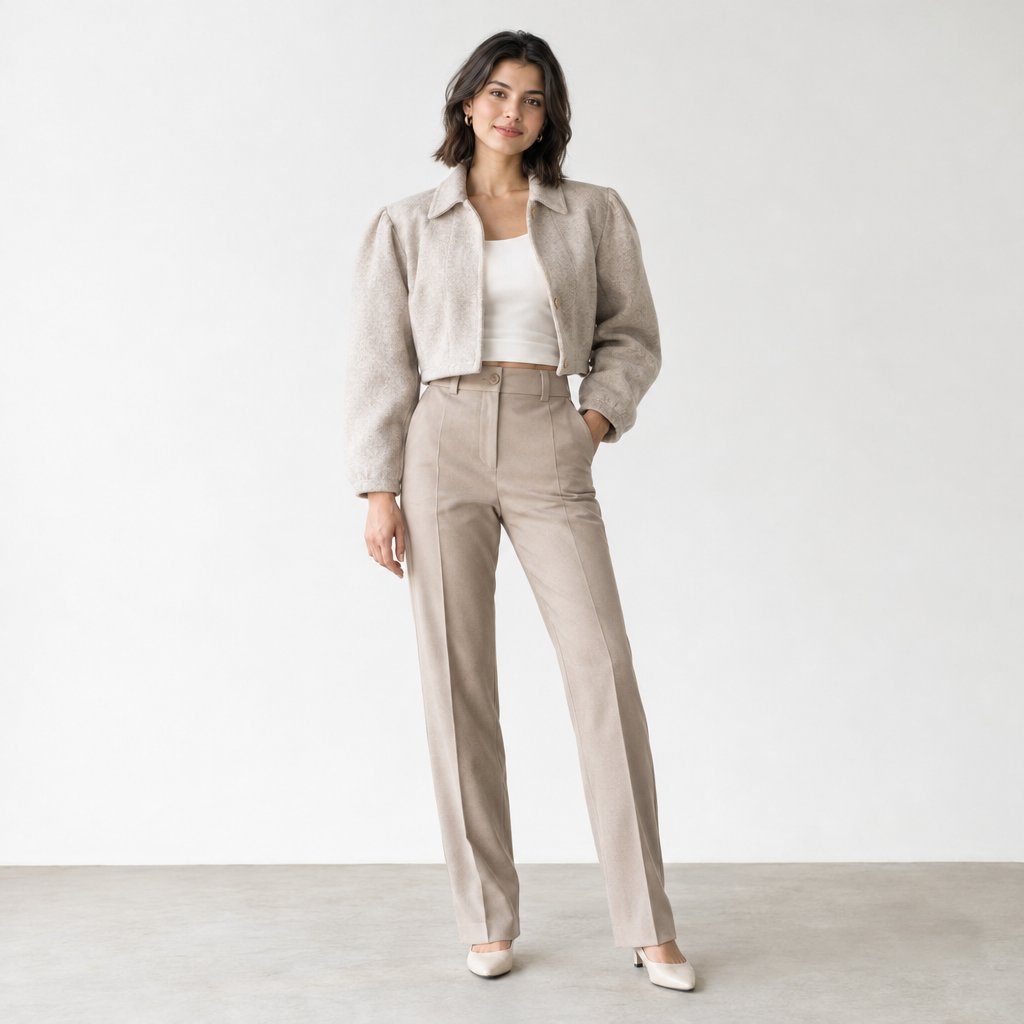
Pair One Relaxed Piece With a More Defined Shape
A loose shirt pairs well with fitted or straight-leg pants; wide-leg trousers look balanced with a closer-fitting top. This contrast gives the outfit shape without requiring tight clothing.
If you choose an oversized jacket, show a defined waist with a tuck or a shorter layer underneath. Check the shoulder seams and sleeve length, since excess fabric in those areas can make a relaxed piece look too large.
Create Vertical Flow When Dressing a Shorter, Curvier Frame
For a shorter, curvier frame, a smooth line through the center of your outfit can provide balance without hiding your shape. Try a top that skims your body with an open jacket or a single-color base, then choose pants that fall cleanly from the hip.
Look for fabric that drapes without clinging or adding stiff bulk. A jacket that ends near your waist or lower hip can work well when its hem does not cut across the widest point of your body.
A Few Proportion Adjustments Can Transform an Outfit
A few precise fit changes can make your clothes look more balanced on your frame. Start with the garment that feels least settled, then adjust its hem, sleeve, waist, or styling.
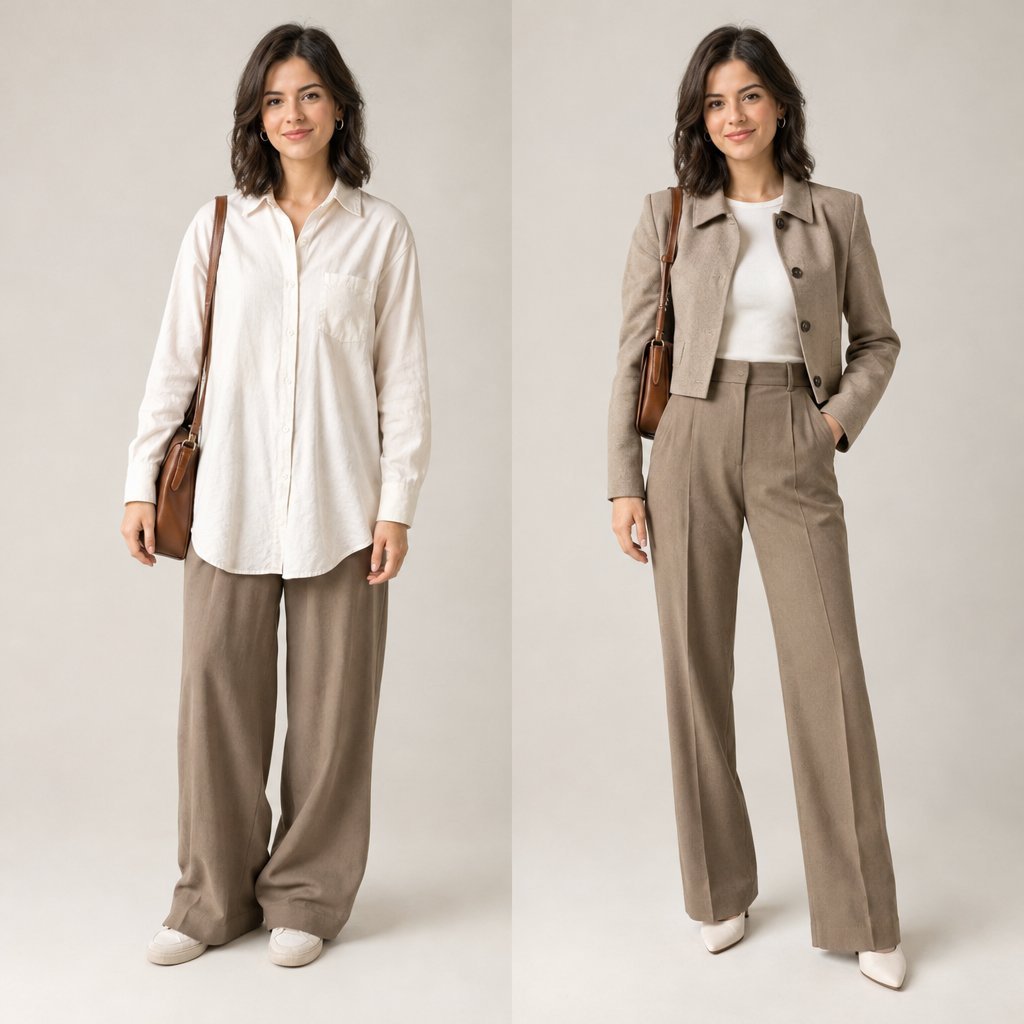
Try a simple fitting-room check: tuck in the top, compare the outfit with a belt, and test your shoes with the intended hem. These small changes show whether the issue comes from the garment’s shape or its length.
If a favorite piece still feels off, consider tailoring before replacing it. Shortening a sleeve or hem can preserve a good fit through the shoulders and hips while making the whole outfit feel more considered.
Frequently Asked Questions
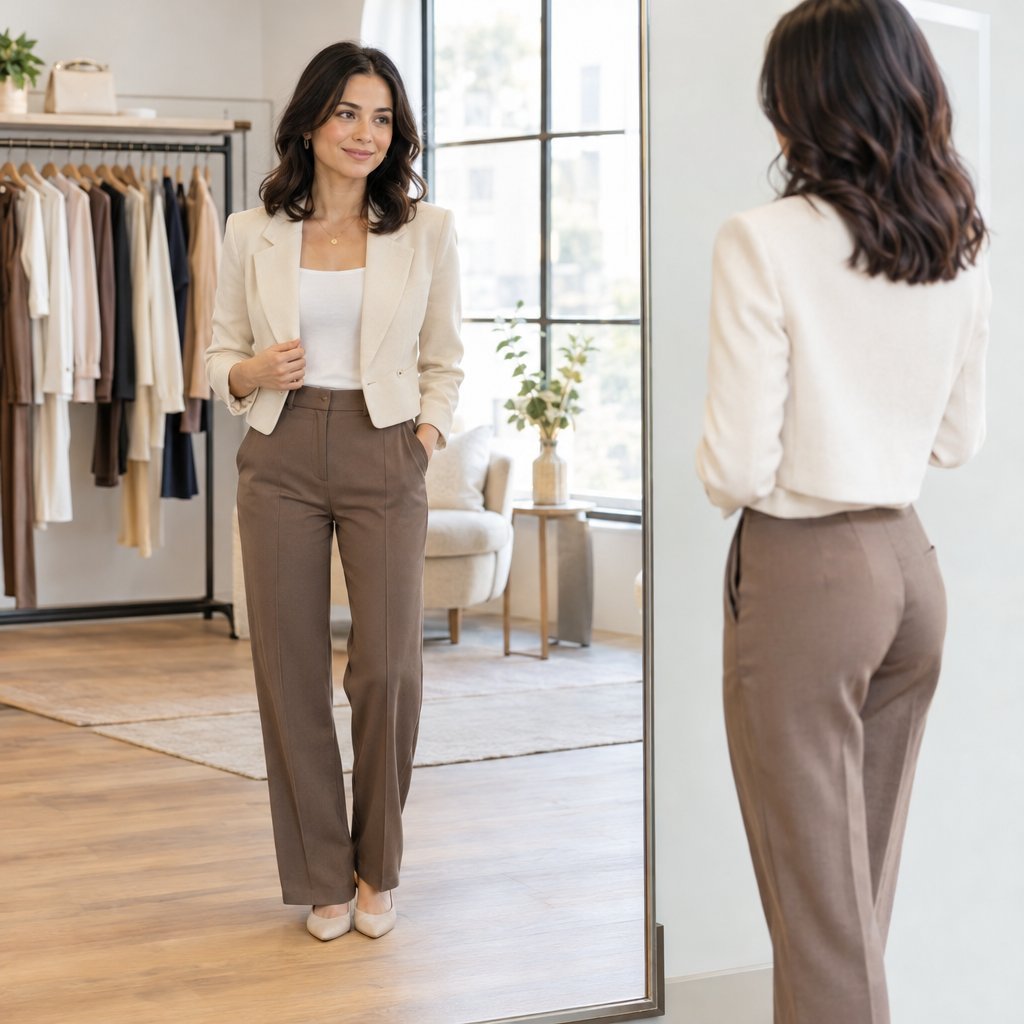
What should I wear if I am short and have a tummy?
Choose tops that skim your middle and pants with a comfortable, smooth waistband. A soft tuck or open layer can define your shape without pulling tightly across your stomach.
What dress length works best for short legs?
A hem above the knee or one that falls below the widest part of your calf can create a clear leg line. Try the dress with your planned shoes, since the hem and footwear work together.
Can short women wear maxi dresses and wide-leg pants?
Yes, maxi dresses and wide-leg pants work when their length and shape fit your frame. Choose a clean shoulder or waist shape, then have the hem adjusted so the fabric does not pool over your shoes.
Do monochrome outfits make you look taller?
Monochrome outfits create fewer strong color breaks, which gives the eye a longer line through your clothes. You can add texture or a close shade variation while keeping that visual flow.
Are high-waisted pants always best for petite women?
High-waisted pants help lengthen the leg line when the rise sits comfortably near your natural waist. If that placement crowds your torso, a mid-rise cut can give you a more balanced fit.
