The 7 Fashion Mistakes Women Over 40 Make and Easy Fixes come down to poor fit, unbalanced proportions, dated styling, a narrow color routine, and discomfort. You can refresh your outfits with practical adjustments that keep your personal style intact.
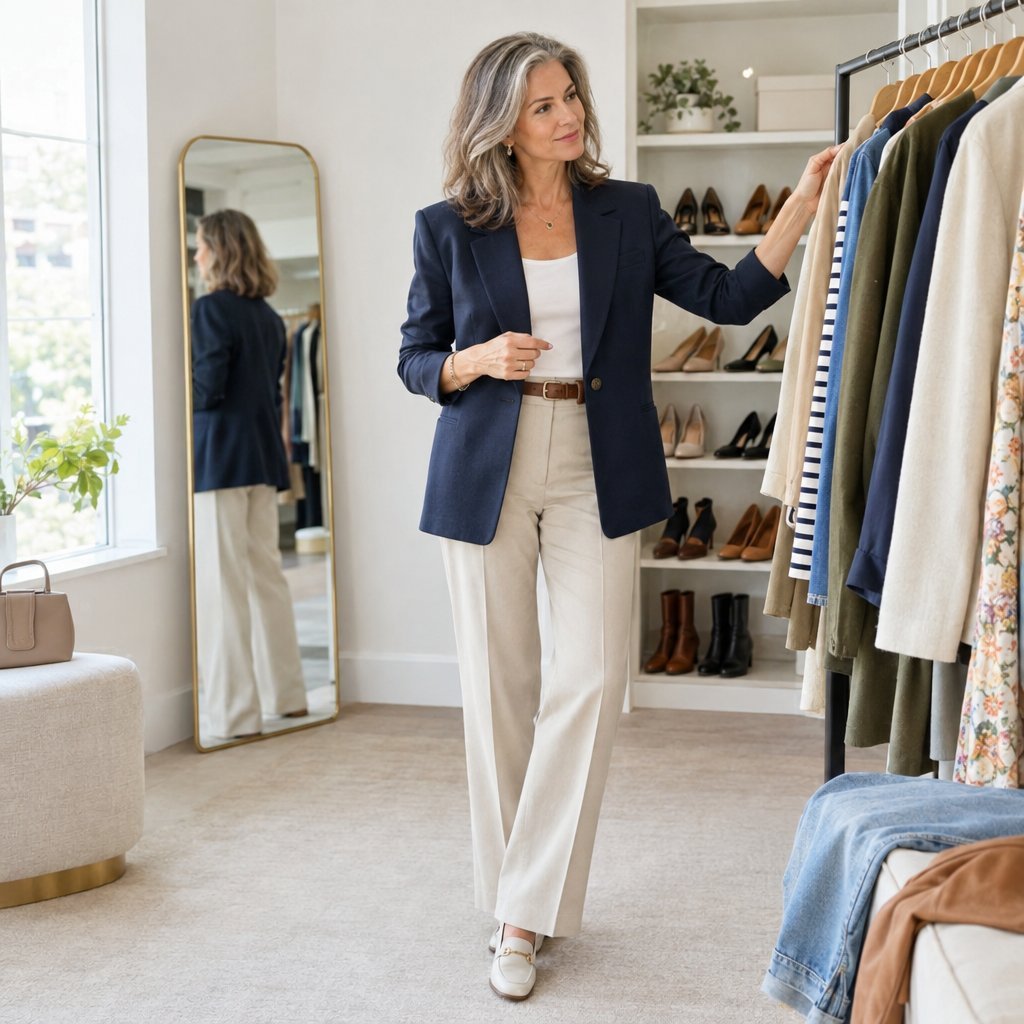
Your body, schedule, and style preferences can shift over time, so clothes that once felt right may now need a small update. Start with the pieces you own: a better fit, a clean hem, or a more comfortable shoe can change how an outfit feels.
Key Takeaways
- Choose clothes that fit your current shape and feel comfortable.
- Balance lengths and volume to create a clear silhouette.
- Refresh familiar outfits with thoughtful color and styling choices.
Does Your Clothing Fit the Body You Have Now?
Good fit starts with clothes that sit smoothly on your body and let you move with ease. A current size check and a well-fitting bra can help your outfits look more polished.
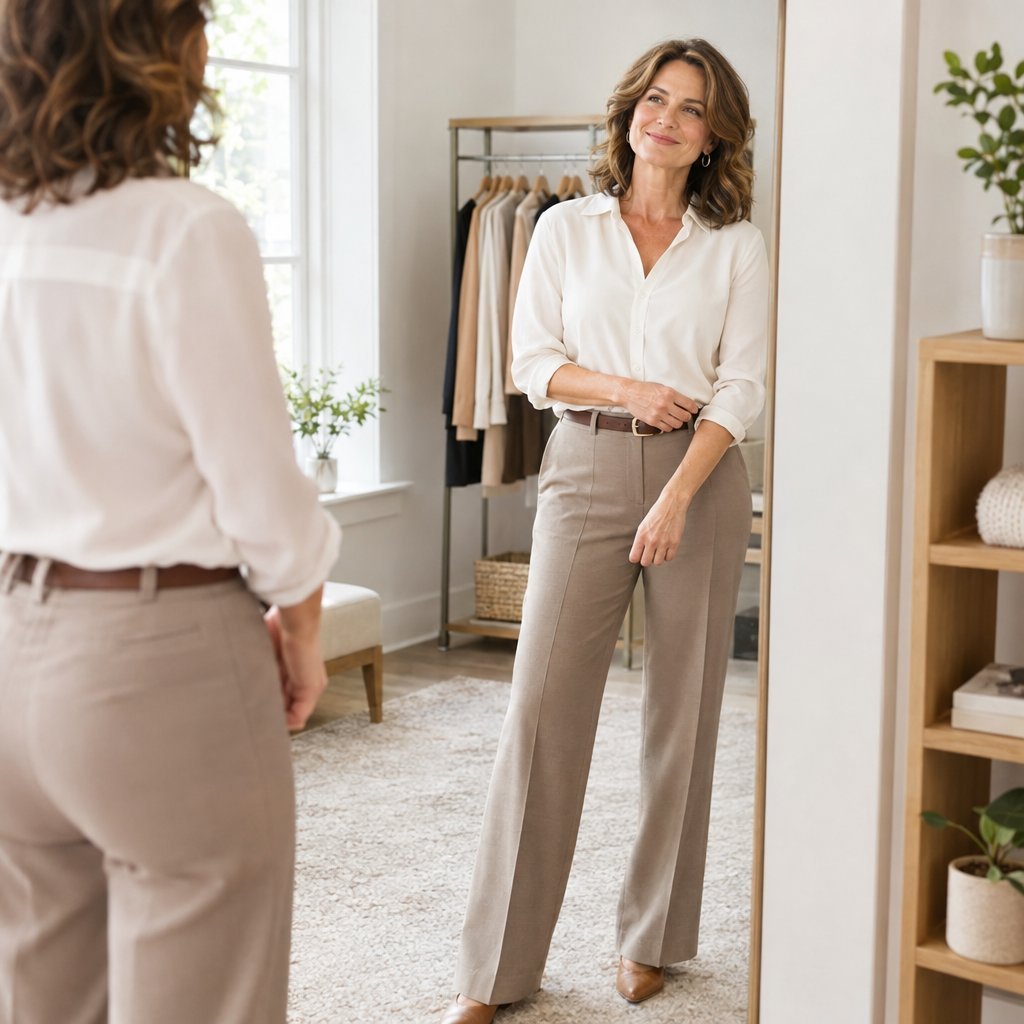
Wearing the wrong size instead of tailoring for fit
A size on a label tells you little about how a garment will fit your shoulders, waist, hips, or height. Choose the size that fits your widest area comfortably, then have a tailor adjust hems, sleeves, or a loose waist when the rest of the garment sits well.
Check how a piece behaves when you sit, reach, and walk. Pulling at buttons, creasing across the hips, or a shoulder seam that falls far past your shoulder can signal a fit problem. A simple alteration often gives a favorite piece a cleaner line.
Skipping a bra and shapewear fit check
Your base layers affect how your clothes sit, so check your bra size and shape when straps slip, bands ride up, or cups wrinkle. Try on bras with the tops and dresses you wear most, since necklines and fabrics can change what feels supportive and smooth.
Choose shapewear for light smoothing and comfortable movement. A size that digs in or rolls down can create visible lines and distract you throughout the day. You should be able to sit and breathe with ease.
Are Your Outfit Proportions Balanced?
Balanced proportions help your outfit look intentional, even when you wear relaxed or oversized pieces. Hem lengths and the amount of volume in each part of your outfit are useful places to start.
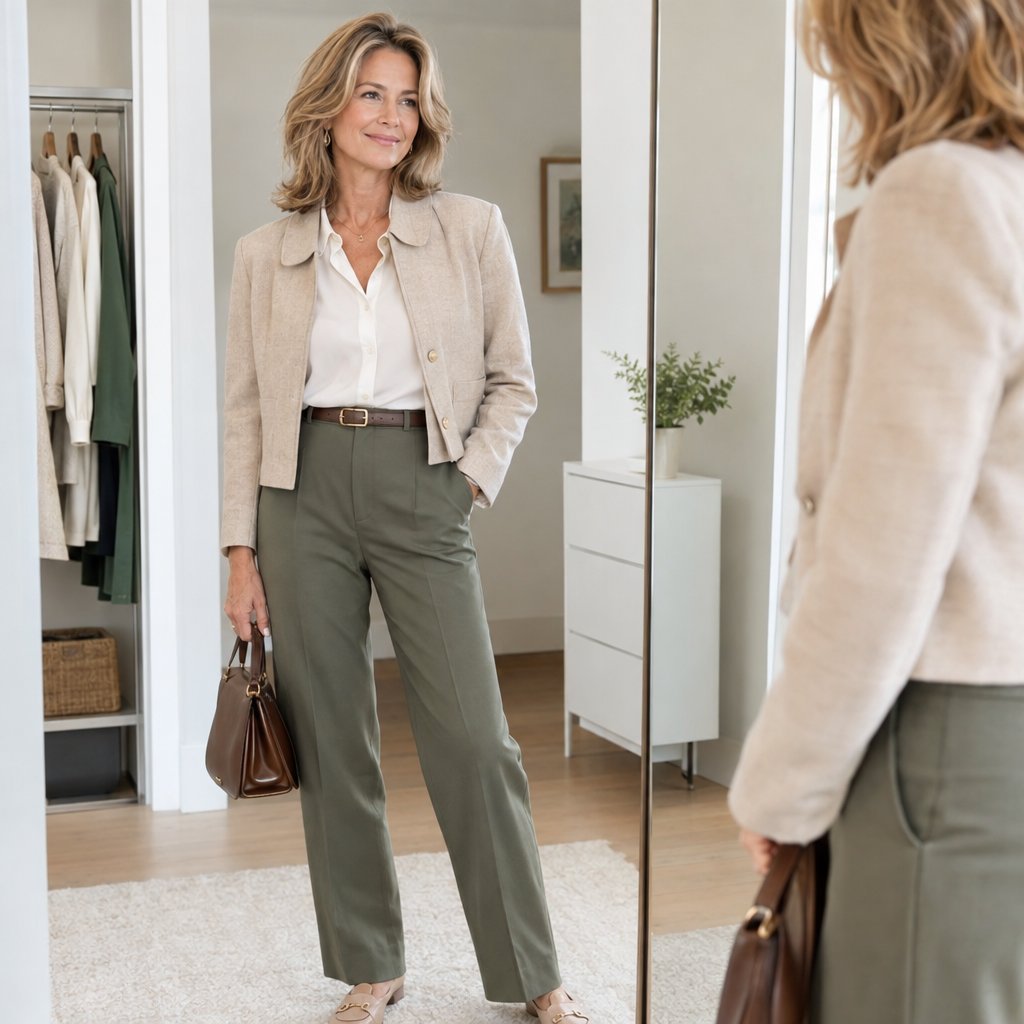
Overlooking sleeve and trouser lengths
Sleeves that cover your hands or trousers that bunch at the ankle can make an outfit look unfinished. Check hems while wearing the shoes you plan to pair with the garment, since heel height changes where trousers fall.
For sleeves, aim for a length that lets you move freely and shows your hands. If you roll sleeves, keep the fold neat and even. A tailor can shorten sleeves or trousers to suit your proportions and preferred shoes.
Choosing volume without balancing your silhouette
A roomy top paired with wide-leg trousers can overwhelm your shape when both pieces have a lot of fabric. Give one part of the outfit more definition: tuck or half-tuck the top, choose a more fitted layer, or add a belt at your natural waist.
You can also balance a full skirt with a closer-fitting top, or wear a longer jacket over a streamlined base. Check the outline from the side as well as the front. The goal is a shape you feel comfortable wearing, not a strict formula.
Are Trends and Colors Working for You?
A trend feels current when it fits your taste and works with pieces you already wear. Fresh color choices can also update familiar outfits without requiring a new wardrobe.
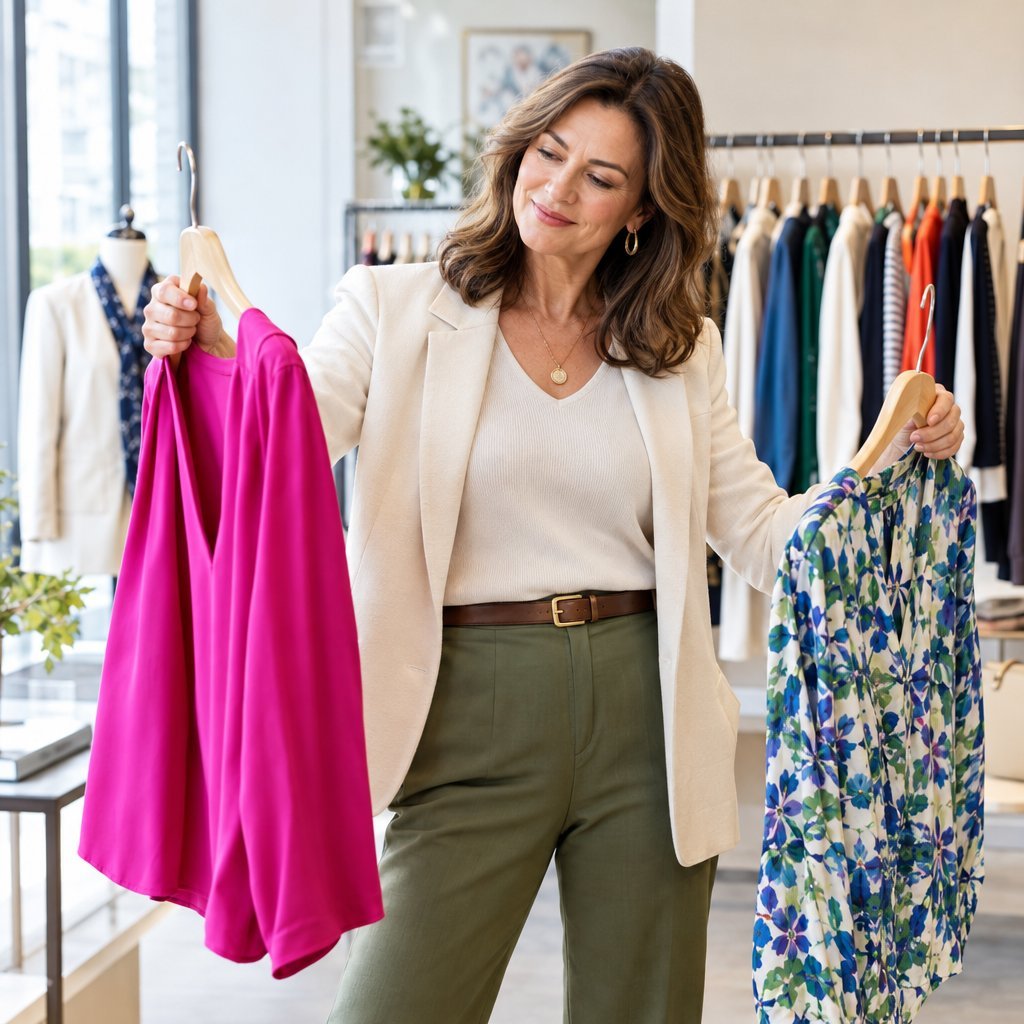
Holding on to dated trends or wearing too much of one trend
A favorite trend can lose its place in your wardrobe when the cut, finish, or styling no longer feels like you. Keep the parts you enjoy and pair them with simple, current pieces, such as a classic jacket, a clean pair of jeans, or understated shoes.
When a new trend catches your eye, try one piece at a time. A modern bag or updated shoe can give a familiar outfit a fresh touch while keeping the rest of your look grounded. Choose trends that feel comfortable and useful in your daily life.
Sticking to a color rut instead of refreshing familiar outfits
A reliable neutral wardrobe makes dressing easier, though wearing the same shades every day can leave your outfits feeling repetitive. Add one color near your face, through a top, scarf, or jacket, and see how it works with the neutrals you already own.
If a bright shade feels like too much, try a muted version or use color in a small accessory. You can also build a new combination from familiar pieces, such as navy with cream or olive with denim. Check the color in natural light to see how it looks with your skin tone.
Does Your Style Feel Good in Real Life?
Your clothes and shoes should support the way you move through your day. Comfort helps you wear an outfit with confidence and makes it easier to reach for your favorite pieces.
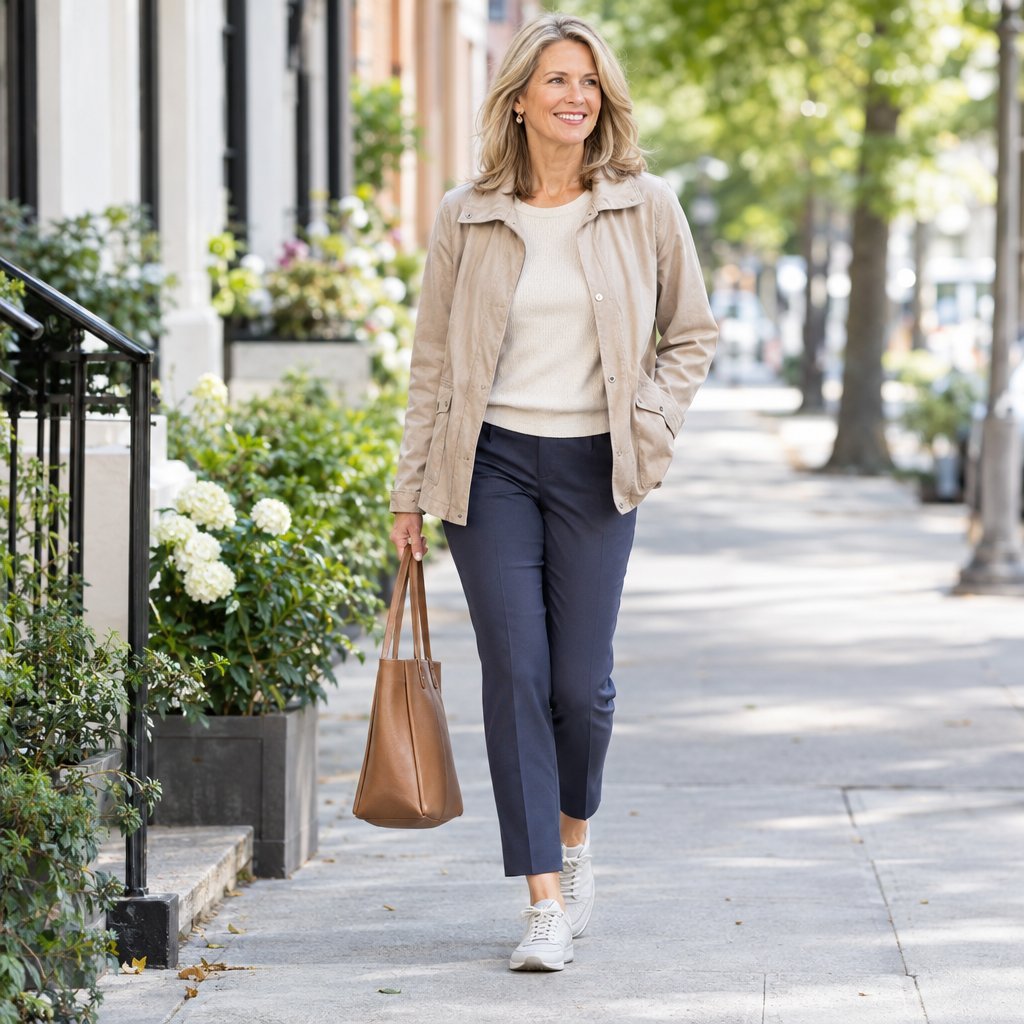
Sacrificing comfort in shoes and clothing
Shoes that pinch or clothes that restrict your movement can make even a polished outfit hard to wear. Check the fit while standing and walking, and pay attention to pressure at the toes, heels, waist, and shoulders.
Look for supportive shoes with a shape that suits your plans, such as a low heel or cushioned flat for a long day on your feet. For clothing, choose fabrics with enough ease for sitting and reaching. If a piece needs constant tugging or adjusting, try a different size, cut, or fabric.
Small Styling Changes Can Make a Noticeable Difference
A few targeted adjustments can make your existing clothes feel more coordinated and comfortable. Start with the fix that affects how you wear the outfit most, such as a hem, a better-fitting base layer, or a shoe change.
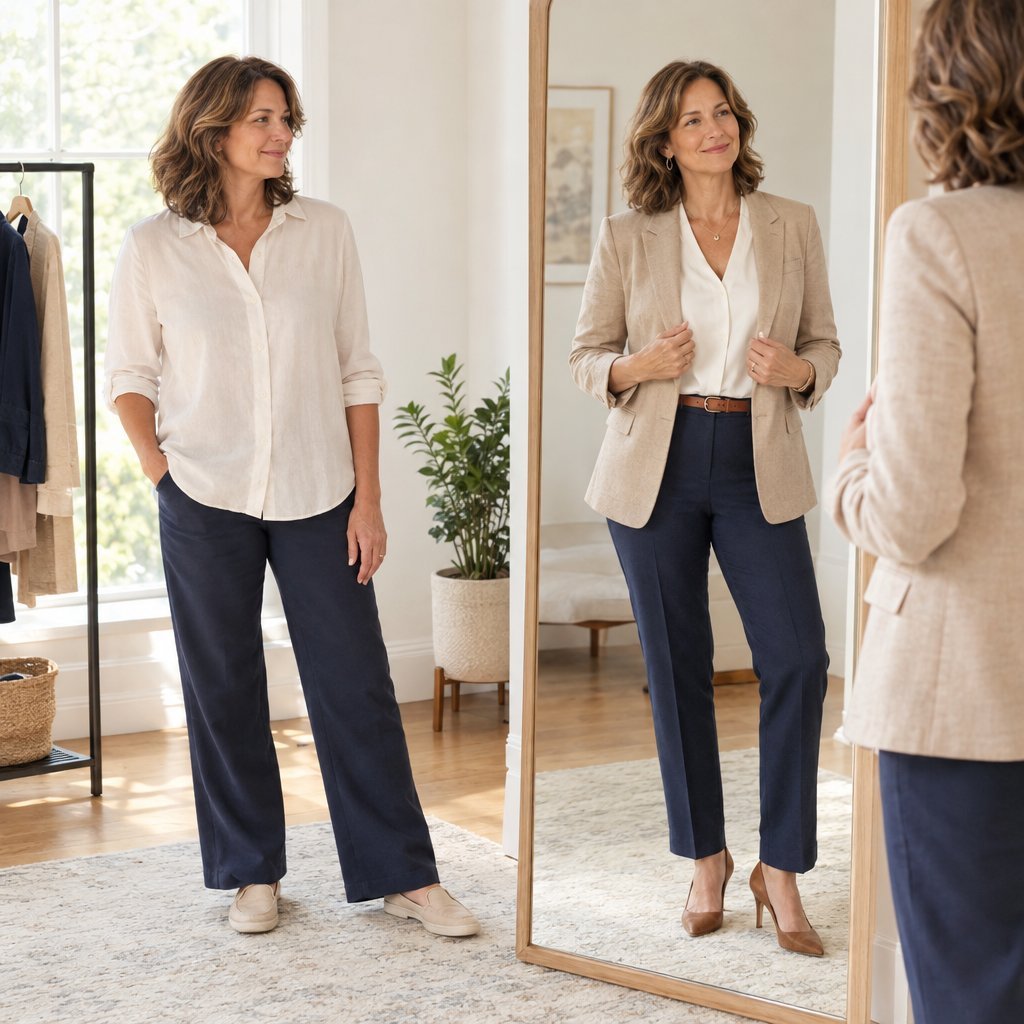
Before buying something new, try your outfit with a different tuck, sleeve fold, or accessory. Check the fit in a full-length mirror and move around to see how the clothes sit. When the shape feels balanced and you can move comfortably, keep that combination in your regular rotation.
Frequently Asked Questions
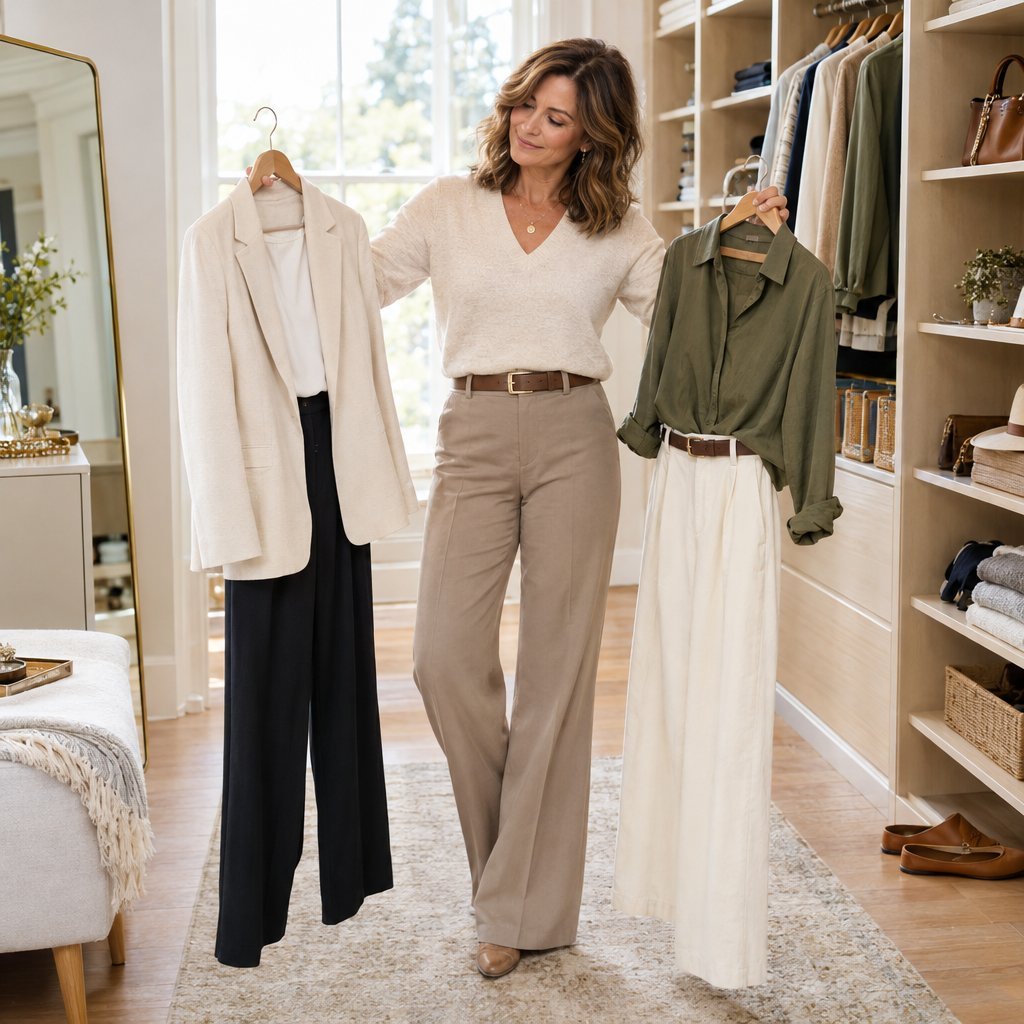
What is the 3-3-3 rule for clothing?
The 3-3-3 rule is a small wardrobe plan built around three tops, three bottoms, and three pairs of shoes. Choose pieces that work together so you can make several outfits from a short list of items.
What color makes you look expensive?
Navy, cream, camel, and deep brown can look polished when the fabric is in good condition and the fit is clean. Choose shades you enjoy wearing, then keep the outfit coordinated with simple accessories.
How can I dress to create a slimmer-looking silhouette?
Choose clothes that skim your shape, then create a long visual line with similar colors or an open jacket. A well-placed tuck or a defined waist can add shape without making the outfit feel tight.
Are there colors women over 40 should avoid?
You do not need to avoid a color because of your age. If a shade feels harsh near your face, wear it in a skirt, pants, or accessory, or choose a softer version for a top.
What are common winter fashion mistakes women over 40 make?
Bulky layers, hems that bunch over boots, and shoes that feel uncomfortable on winter streets can make dressing harder. Choose warm layers that fit smoothly, check trouser length with your winter shoes, and pick footwear suited to your route and weather.
